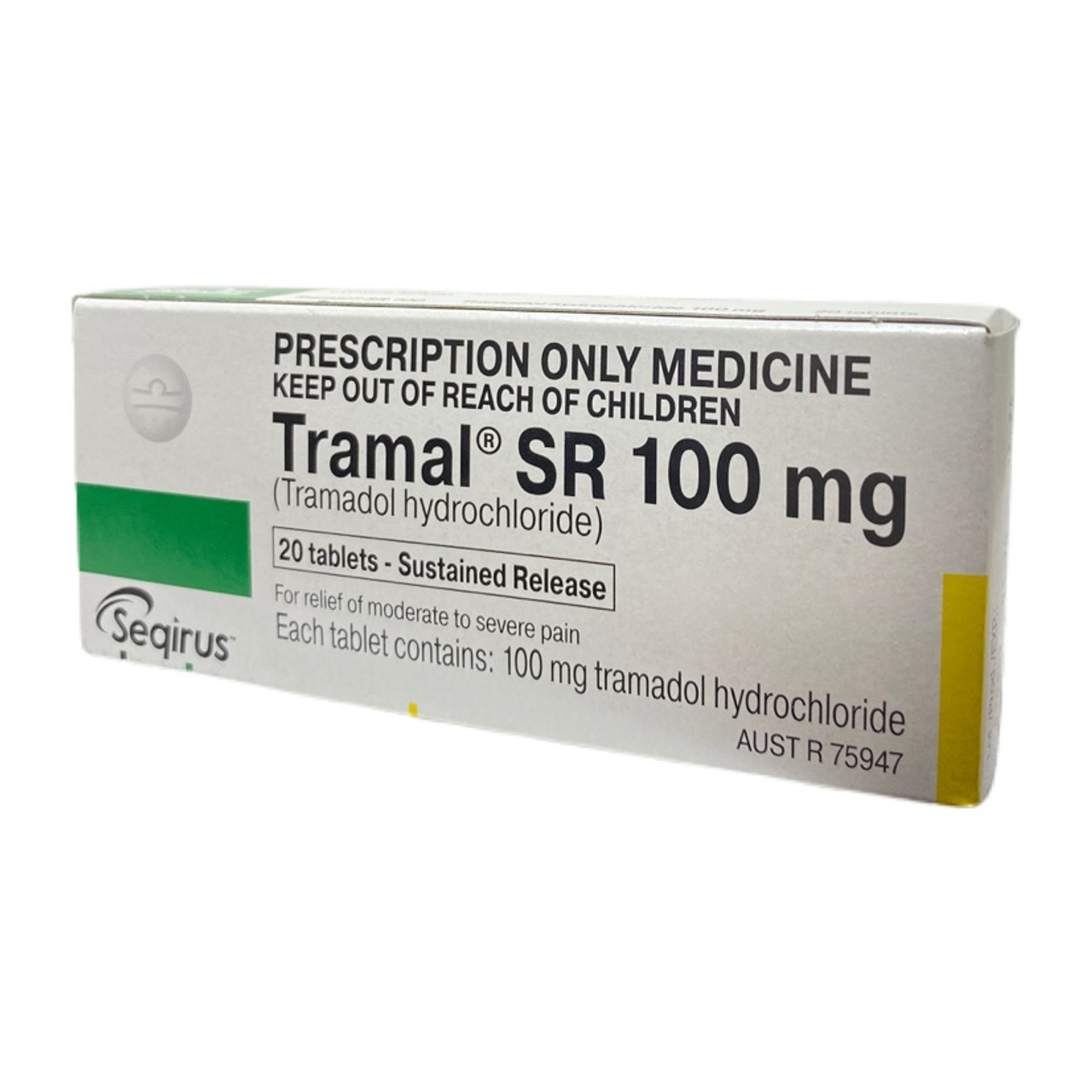
Tramadol 100mg 10 Tablets/Strip is a medication commonly used to manage moderate to severe pain. It belongs to a class of drugs known as opioid analgesics, which work by altering how the brain perceives and responds to pain signals. This description provides a comprehensive overview of Tramadol 100mg, including its uses, dosage, precautions, and potential side effects.
Uses: Tramadol 100mg is
prescribed to alleviate various types of pain, such as post-operative pain, chronic pain conditions, and injury-related pain. It can be useful for managing pain that is not adequately controlled by non-opioid pain relievers. Tramadol is also sometimes used in combination with other medications to enhance its effectiveness in pain management.
Dosage: The recommended dosage of Tramadol 100mg varies depending on individual factors, including the severity of the pain and the patient’s response to the medication. It is crucial to follow the prescribed dosage and the instructions provided by your healthcare professional or as indicated on the
packaging. Taking more than the recommended dose can lead to adverse effects or overdose.
Precautions: While Tramadol 100mg can be effective in pain management, it is essential to take certain precautions before and during its use:
- Medical History: Inform your healthcare provider about any pre-existing medical conditions, such as liver or kidney problems, seizures, respiratory issues, or a history of substance abuse. These factors may affect the suitability and dosage of Tramadol.
- Allergies: Individuals with a known allergy to Tramadol or other opioids should avoid using this medication. Allergic reactions can range from mild skin rashes to severe breathing difficulties, and immediate medical attention should be sought if an allergic reaction occurs.
- Interactions: Tramadol may interact with other medications, such as certain antidepressants, sedatives, or tranquilizers. Inform your healthcare provider about all medications, including over-the-counter drugs and herbal supplements, to avoid potential drug interactions.
- Pregnancy and Breastfeeding: Tramadol should be used with caution during pregnancy or while breastfeeding. It is crucial to consult with a healthcare professional to weigh the potential benefits and risks before using this medication in such cases.
Side Effects: Tramadol 100mg, like any other medication, may cause certain side effects. Common side effects include dizziness, drowsiness, constipation, nausea, vomiting, headache, and dry mouth. These effects are usually temporary and subside as your body adjusts to the medication.
However, if these side effects persist or worsen, it is important to consult your healthcare provider. Rare but serious side effects may include allergic reactions, difficulty breathing, seizures, serotonin syndrome (manifesting as agitation, hallucinations, rapid heartbeat, fever, muscle stiffness), and signs of liver or kidney problems. If you experience any of these severe side effects, seek immediate medical attention.
Conclusion: Tramadol 100mg 10 Tablets/Strip is a widely used
medication for managing moderate to severe pain. It should only be used under the guidance of a healthcare professional, who will determine the appropriate dosage based on individual needs. Remember to follow the prescribed instructions, inform your healthcare provider of any pre-existing conditions or medications you are taking, and be aware of potential side effects. By using Tramadol responsibly and as directed, you can effectively manage pain and improve your overall well-being.